
What Makes a “Low-Risk” Property Investment in Today’s UAE Market
Published 7 months ago
In earlier market cycles, “low risk” in UAE real estate was often misunderstood as buying early and exiting fast. Today, the definition has changed. With a more mature market, informed buyers, and tighter regulations, low-risk investment is no longer about timing alone—it’s about sustainability, demand certainty, and long-term resilience.
A low-risk property investment in the UAE now starts with real demand, not hype. Properties in areas supported by population growth, employment hubs, and essential infrastructure continue to perform steadily regardless of short-term market noise. Locations close to schools, healthcare facilities, public transport, and mixed-use centers offer consistent rental demand and stronger resale potential.
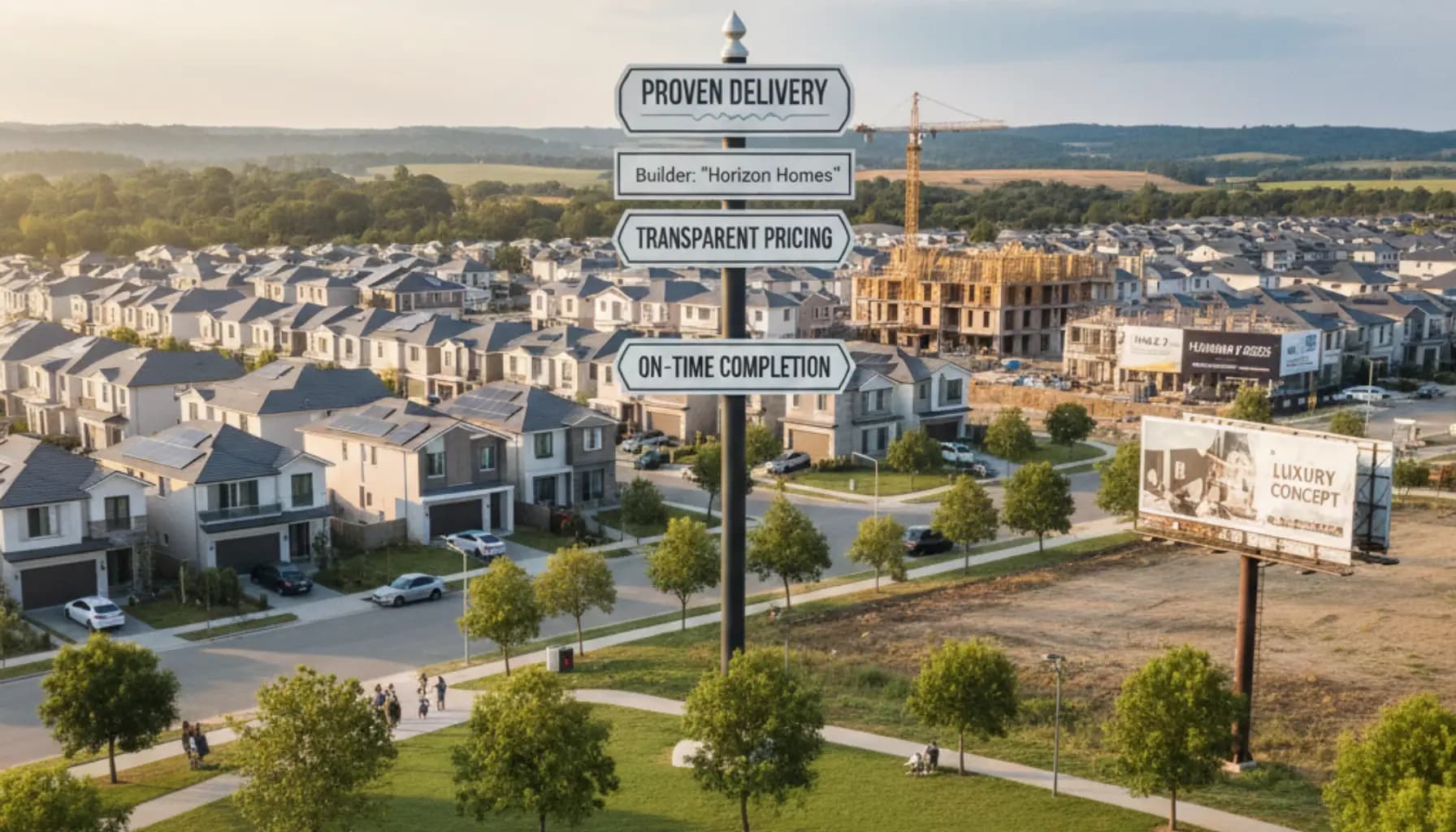
Developer credibility is another core pillar of risk reduction. Buyers are increasingly selective, favoring developers with proven delivery records, transparent payment structures, and realistic pricing. A project delivered on time in a functional community carries significantly less risk than an aggressively marketed concept in an unproven location.
The unit type also plays a crucial role. Mid-sized apartments and practical townhouses are proving to be safer than ultra-luxury or oversized homes. These units appeal to a broader tenant pool, maintain higher occupancy rates, and are easier to resell. Liquidity—how quickly an asset can be converted back into cash—has become a defining factor of low-risk investing.
Regulatory clarity further strengthens the UAE’s position as a low-risk environment. Escrow protections, clearer ownership structures, and stronger broker accountability mean buyers today operate in a market built for transparency rather than speculation. However, informed decision-making remains essential. Understanding service charges, handover timelines, and long-term maintenance costs is now just as important as headline price.
Ultimately, low-risk property investment in the UAE is no longer passive. It rewards buyers who prioritize fundamentals over short-term gains, data over promises, and long-term usability over visual appeal. In today’s market, stability is the new return.