Dubai’s Real Estate Market: Luxury Frenzy vs. Middle-Class Demand – Is the City Missing a Golden Opportunity?
Published 2 years ago
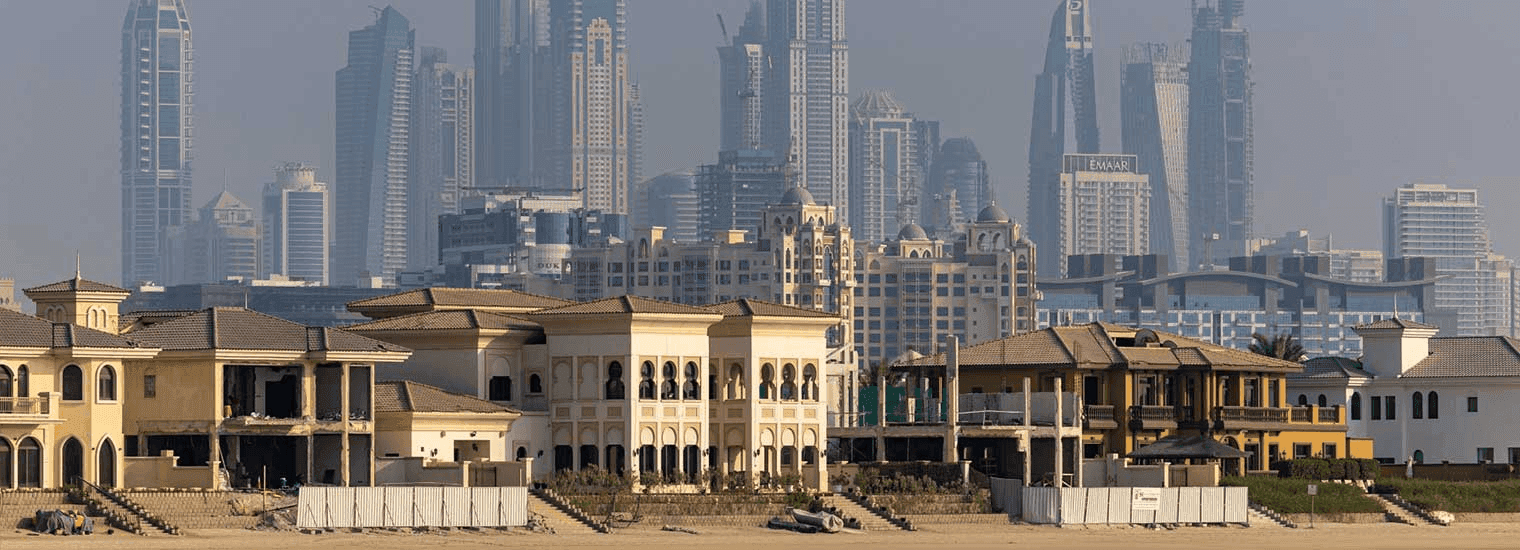
The appeal of Dubai to the global elite is clear: the city offers world-class amenities, tax-free income, a cosmopolitan lifestyle, and safety. The UAE's policy of offering residency visas to investors and property buyers has only added to the allure of purchasing property in the city. As a result, Dubai has become a top destination for luxury real estate investments, further driving up property prices, particularly in premium neighborhoods.
The rise of Dubai’s middle class has been undeniable over the past decade. With its thriving economy, low-tax environment, and growing expatriate population, the city has attracted a significant number of skilled professionals, entrepreneurs, and young families. According to the Dubai Statistics Center, the middle class now constitutes a large portion of the UAE’s population, with many earning enough to afford a comfortable lifestyle but not necessarily the high-end luxury homes that dominate the market.
This demographic includes people employed in key sectors like finance, healthcare, education, technology, and hospitality—industries that are critical to Dubai’s economic growth. While the city has a reputation for attracting billionaires, it is the middle class that is the backbone of the workforce, contributing to the economy in tangible ways. Yet, when it comes to the housing market, the middle class is often overlooked.
Affordability remains a major issue. The escalating cost of property prices and rents in popular areas has priced many out of the market. According to recent reports, property prices in Dubai have surged by over 20% in 2023, largely driven by demand from foreign investors. For the middle-class population, this means fewer options and increasingly long commutes from suburban areas. As a result, many of these residents are being forced to rent for longer periods, stunting their ability to build wealth through property ownership.
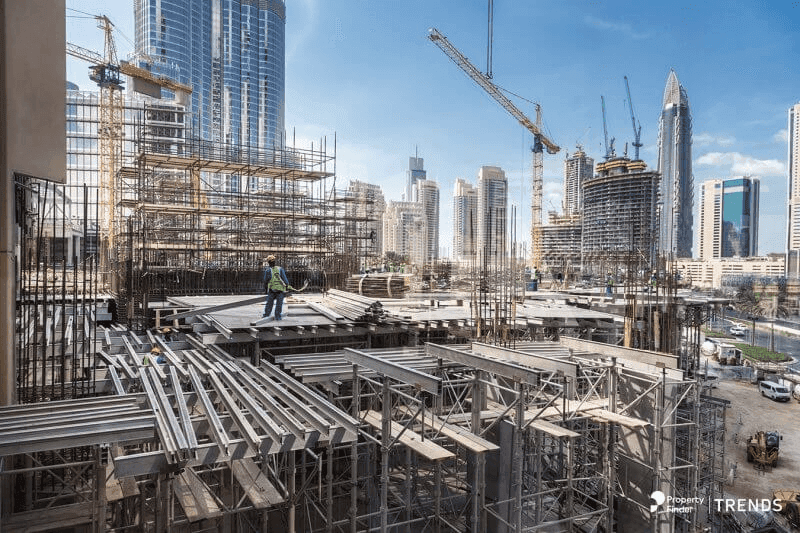
As luxury real estate continues to dominate the market, developers may be missing out on an important opportunity to cater to the growing middle-class demand. While the ultra-luxury market may still hold great potential, the middle-class housing sector represents a massive untapped market.
The UAE government has already taken steps to address affordability concerns with initiatives like the affordable housing program and providing long-term visas to skilled workers. However, further policy support could help incentivize developers to invest in affordable housing projects.
While Dubai’s urban planning continues to evolve, more attention needs to be paid to developing communities and neighborhoods that appeal to the middle class. This involves not only constructing affordable homes but also ensuring that these developments have access to essential amenities such as schools, healthcare facilities, and public transportation. Additionally, areas outside of prime real estate hotspots like Downtown Dubai and the Palm Jumeirah can be developed to provide a more affordable alternative while maintaining proximity to the city’s key business hubs.
As Dubai continues to grow as a global city, it must recognize the evolving needs of its population. While catering to the luxury market will remain a significant part of the city’s real estate landscape, there is a clear and present opportunity to create a more balanced housing ecosystem. By developing more affordable housing options for the middle class, Dubai can attract a broader range of residents who contribute to the economy and bring diversity to the city’s social fabric.
A more inclusive approach to real estate development will not only foster social stability but also create a more resilient economy. Developers, policymakers, and investors need to understand that the middle-class market is not just a fleeting opportunity—it is a long-term growth engine that, if tapped into, can contribute significantly to Dubai’s future.