
Dubai rental market stabilises as family-led demand defines record 2025
Published 6 months ago
Dubai Rental Market Holds Steady as Family-Led Demand Shapes Record-Setting 2025
Dubai’s rental market in 2025 is entering a phase of maturity, marked by steady apartment rents and faster growth in the villa segment. As population growth continues and more families choose the emirate as a long-term base, rental demand is increasingly shaped by lifestyle needs rather than short-term mobility.
Apartments Show Stability Backed by Strong Liquidity
Apartment rents across Dubai recorded modest increases during 2025, reflecting the city’s deep liquidity pool and consistent tenant absorption. A wide range of supply across established and emerging communities has helped keep rental growth measured, even as demand remains high.
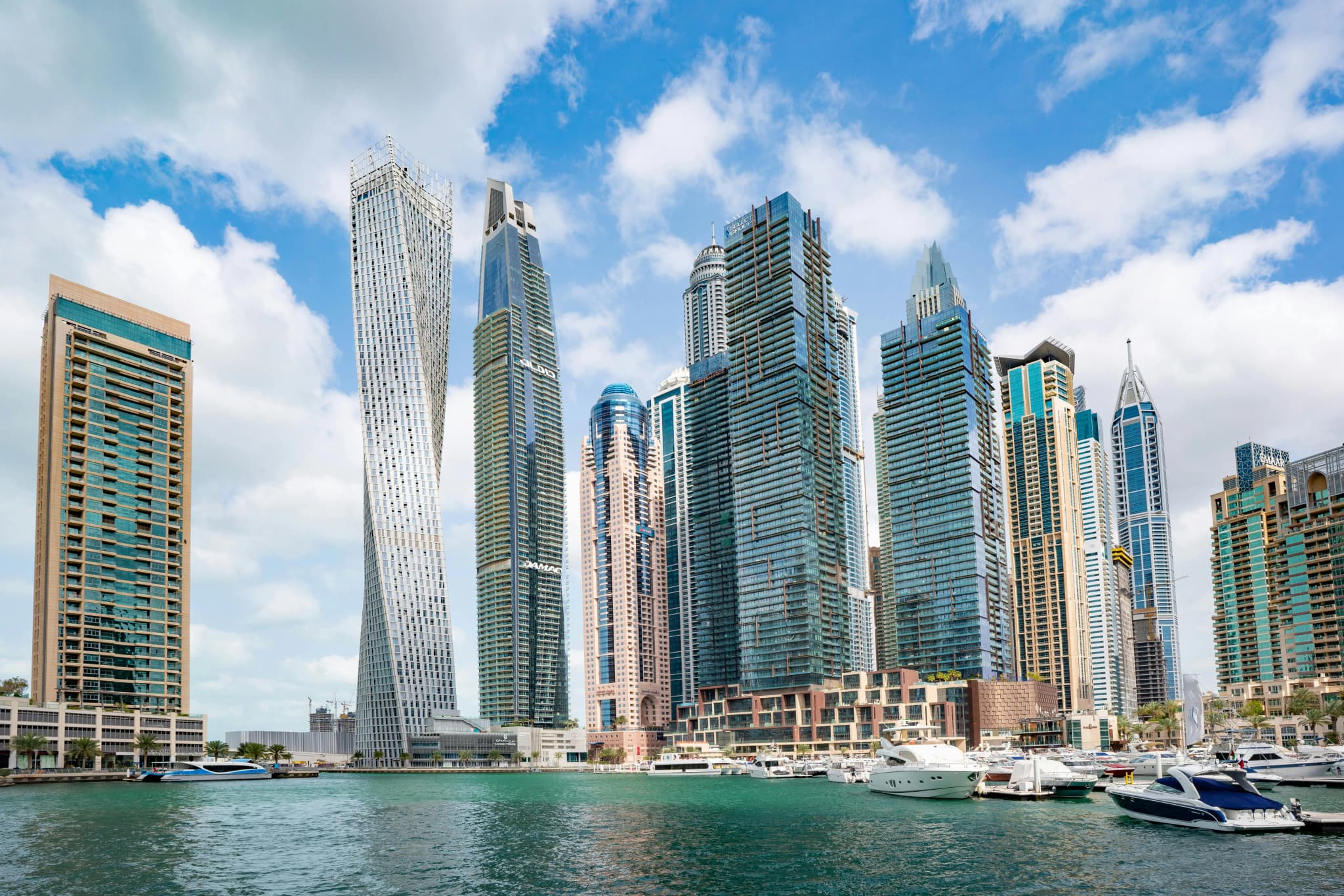
Areas with strong transport connectivity, proximity to employment hubs, and access to retail and leisure amenities continue to attract steady interest. This balance between supply and demand has positioned the apartment segment as the stabilising force of Dubai’s rental market, offering predictability for both tenants and investors.
Villa Rents Outperform Amid Tight Supply
In contrast, villa rents have continued to outpace the broader market. Limited new supply, combined with rising end-user demand, has placed upward pressure on prices across family-oriented communities. Larger homes with private outdoor space, community facilities, and proximity to schools remain in particularly high demand.
The shift toward long-term residency, remote and hybrid working models, and lifestyle-driven relocation has strengthened the appeal of villas. As a result, tenants are increasingly willing to pay a premium for space, privacy, and community living.
Families Redefine Rental Preferences
A defining trend of 2025 is the growing influence of families on rental demand. Rather than prioritising short leases or central business districts, many tenants are choosing neighbourhoods that offer schools, healthcare access, green spaces, and a stronger sense of community.
This has driven higher occupancy and rental growth in suburban and master-planned developments, where infrastructure and lifestyle amenities support long-term living. Developers and landlords are responding by focusing on family-friendly layouts, amenities, and flexible leasing options.
Outlook for Dubai’s Rental Market
Looking ahead, Dubai’s rental market is expected to remain resilient. Apartment rents are likely to continue their gradual growth, supported by population inflows and employment expansion. Meanwhile, villa rents may remain under upward pressure until new supply meaningfully enters the market.
Overall, 2025 stands out as a record-setting year, not for sharp spikes, but for the market’s ability to absorb demand efficiently while evolving to meet the needs of long-term residents and families.