UAE: A Global Model of Sustainability and Innovation
Published 2 years ago
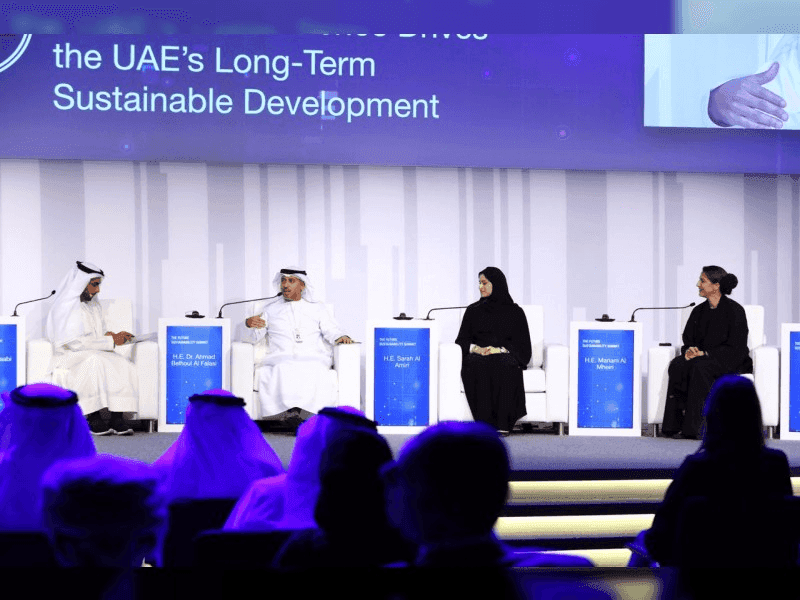
The UAE has firmly positioned itself as a leader in sustainability, blending ambitious goals with practical initiatives. Through significant investments and policy frameworks, the country is redefining environmental stewardship, balancing rapid economic growth with ecological responsibility.
The Year of Sustainability, extended into 2024 by President Sheikh Mohamed bin Zayed Al Nahyan, underscores the UAE's commitment to a sustainable future. This initiative has driven public awareness campaigns and inspired residents to adopt eco-friendly practices. Building on its success, the UAE hosted COP28 in 2023, where global leaders signed the UAE Consensus, a framework urging nations to accelerate net-zero targets and reduce fossil fuel dependency.
One of the UAE's standout efforts is its commitment to achieving net-zero emissions by 2050. It plans to invest AED 600 billion in renewable energy over the next three decades. This includes AED 200 billion earmarked for clean energy projects in the coming six years. Projects like the world’s largest single-site solar plant in Abu Dhabi exemplify the nation’s forward-thinking energy strategy. Solar energy and advanced battery technologies are at the forefront of the UAE's renewable energy portfolio, with initiatives like the first lithium battery recycling plant in the region to reduce waste and greenhouse gas emissions.
The UAE is also leveraging innovative public-private partnerships, enabling technological advancements in sectors such as green hydrogen and carbon capture. This approach has allowed it to maintain a delicate balance between being a major oil producer and a leader in renewable energy adoption.
Sustainability is not limited to energy in the UAE; it is woven into various industries. Urban development projects focus on eco-friendly designs, such as greenfield solar-powered communities. Agriculture has also embraced sustainable practices, with smart irrigation systems reducing water wastage and increasing efficiency. Additionally, the UAE’s space programs have incorporated sustainability, using satellite data to monitor environmental changes and optimize resource use.
Furthermore, the government has emphasized education and public engagement to embed sustainability into daily life. The Sustainability Champions initiative encourages community participation in reducing carbon footprints and adopting green practices.
The UAE’s leadership extends beyond its borders, serving as a model for other nations aiming to achieve sustainable growth. The hosting of COP28 brought together governments, businesses, and civil society to address climate challenges collectively. The UAE has also collaborated with international organizations to share its expertise in clean energy, sustainable urban planning, and resource management.
The UAE’s sustainability journey is a testament to the power of vision, investment, and collaboration. By pioneering innovative energy solutions, promoting eco-conscious practices, and engaging communities, the UAE is setting a global benchmark for sustainable development. Its ongoing initiatives reflect a nation deeply committed to preserving the planet for future generations.